


Blogs
Cling Film vs Aluminium Foil: Which Is Better for Food Storage?

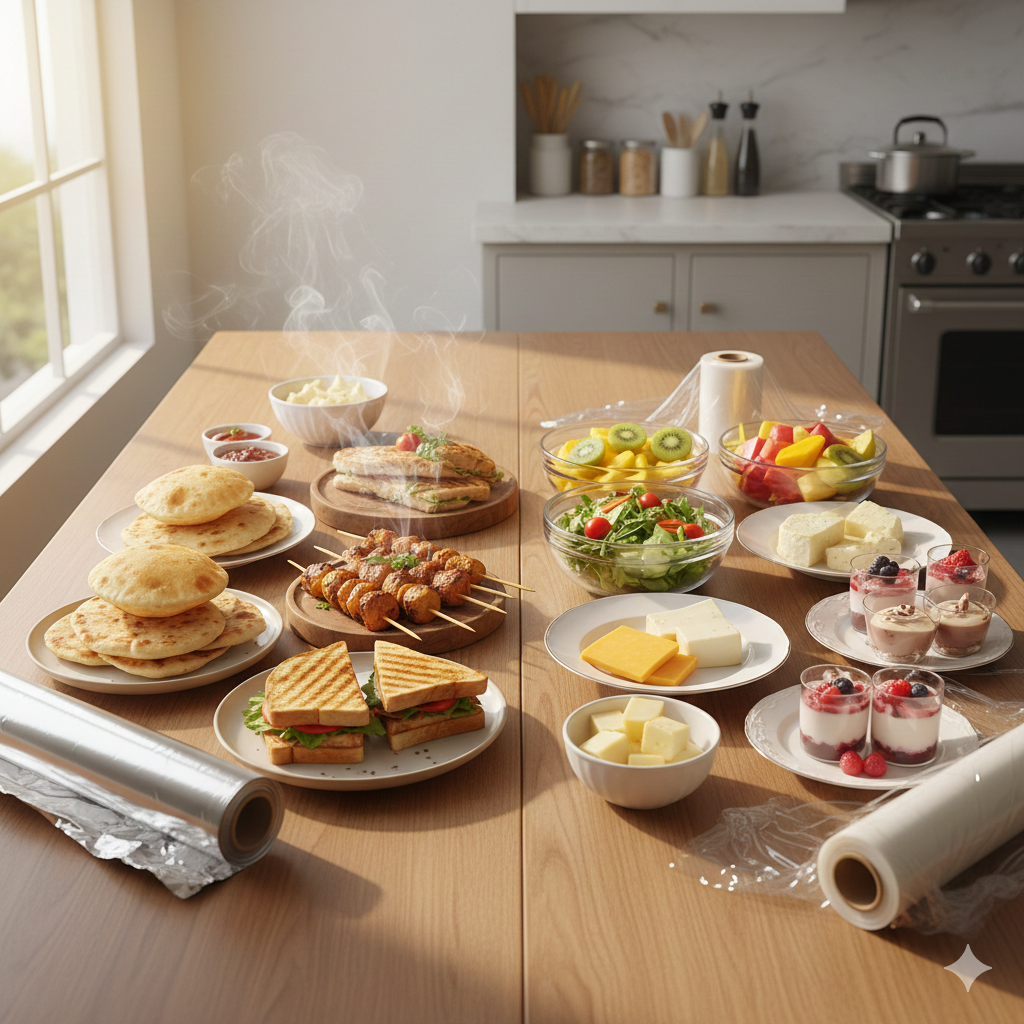
Every kitchen cares about freshness. Hot food must stay warm. Cold food must stay cool. Workers in home kitchens, cafés, bakeries, cloud kitchens, and tiffin services often ask the same question: Cling film vs Aluminium foil, which one should we choose? Both products help with storage, wrapping, and protection. They feel similar, yet they work very differently. When we learn how to use foil rolls vs. cling film in the right way, our food stays safe, neat, and tasty.
In the first lines, we have used the focus keyword foil rolls vs. cling film because it must appear in the first part of the content. Hot food often needs heat protection. Cold food often needs air protection. This difference guides every smart kitchen. If we use foil when we need cling film, the results become poor. If we use cling film in the heat, the results become unsafe. So, the right choice between foil rolls vs. cling film gives maximum freshness.
Freshness also matters in business. Food that looks and smells fresh gives a better experience. It makes customers happy. It reduces waste. When we choose correctly, we use less material and save money. We also save time because the method becomes simple.
🧩 Cling film vs Aluminium foil: What is the Difference?
The first thing to know about cling film vs aluminium foil roll is the material. Aluminium foil blocks heat, light, and moisture and keeps food warm. Cling film is a soft, thin plastic that stretches and seals around bowls, plates, and containers.
🧠 Think like this:
| Foil Rolls | Perfect for the fridge |
|---|---|
| Best for hot food | Best for cold food |
| Perfect for the fridge | Stretches and seals |
| Works well in the oven and grill | Perfect for fridge |
| Holds shape rigidly | Transparent and flexible |
This difference matters. People sometimes wrap everything in one material. Later, food becomes dry, soggy, or unsafe. The smart method is choosing wisely between Cling film and Aluminium foil rolls.
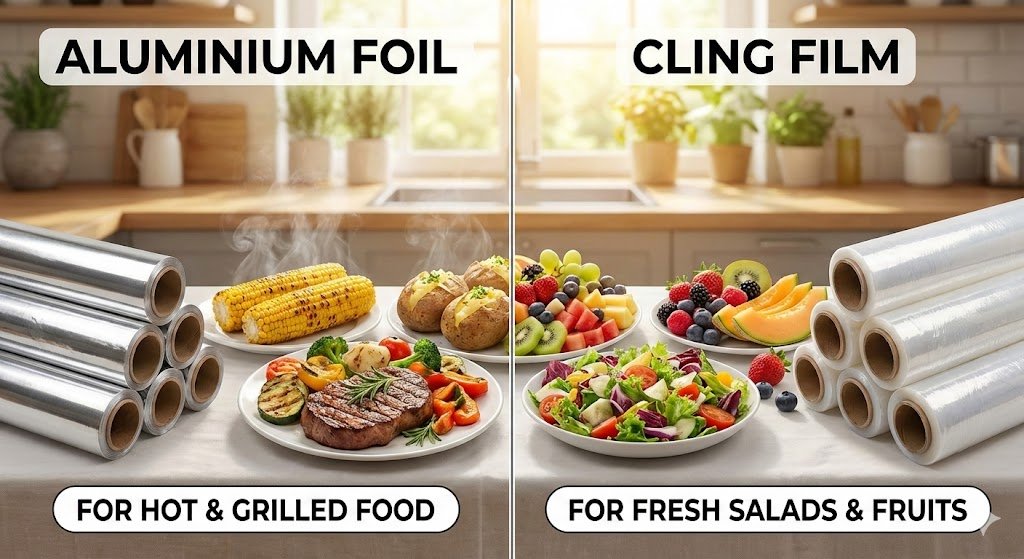
🔥 When Foil Rolls Work Best 🍗
Foil rolls are strong in heat. They hold shape in high temperatures. This makes foil the clear winner in heat tasks. One important long-tail keyword says it nicely:
➡️ best method to wrap hot rotis and parathas for long-lasting warmth
Hot rotis, parathas, kebabs, or garlic bread wrapped in foil stay warm for longer. They remain soft. They do not dry out fast. Foil also blocks oil and steam. This is useful for home kitchens and delivery.
Foil is great for:
- Baking vegetables
- Grilling paneer, kebabs, and tikka
- Toasting sandwiches
- Wrapping rotis and parathas
- Heat delivery packing
- Lining baking trays to stop sticking
When comparing Cling film and aluminium foil, foil is the safe choice for heat. Cling film melts when heat touches it. Foil rolls are strong and safe in hot ovens.
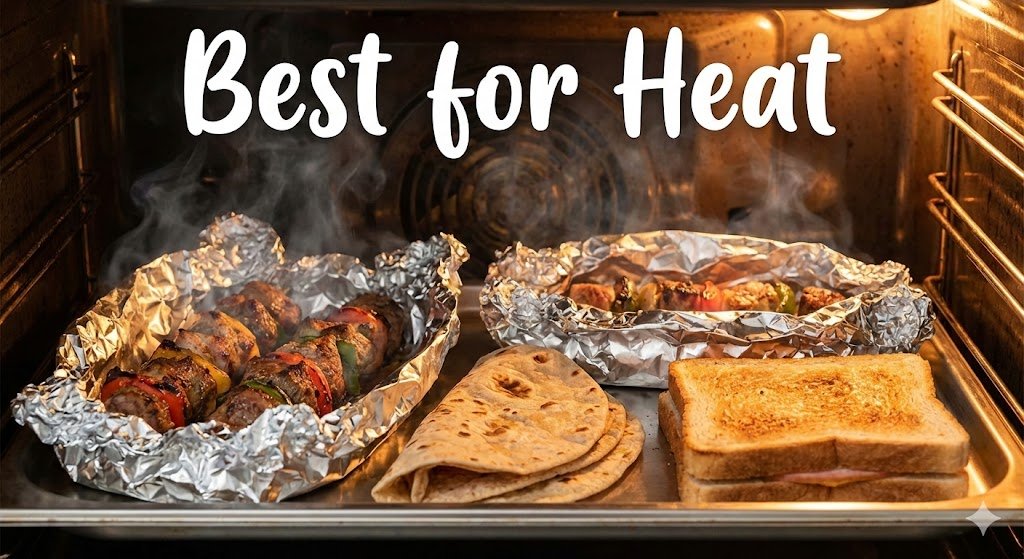
❄️ When Cling Film Works Best 🥗
Cling film is soft and flexible. It wraps smoothly around bowls, plates, fruits, vegetables, and salads. This long-tail keyword explains the idea clearly:
➡️ How restaurants store cold salads and fruits with cling film rolls
Cling film is perfect for cold food. It locks tight and stays clean. We can see the food clearly. This is useful in cafés, bakeries, sweet shops, and homes.
Cling film is perfect for:
- Cut fruits
- Vegetable bowls
- Salads
- Cheese blocks
- Pastry covering
- Cold desserts
When choosing between Cling film and Aluminium foil, cling film wins for cold storage. It stops air from entering the food. The food stays fresh for hours.
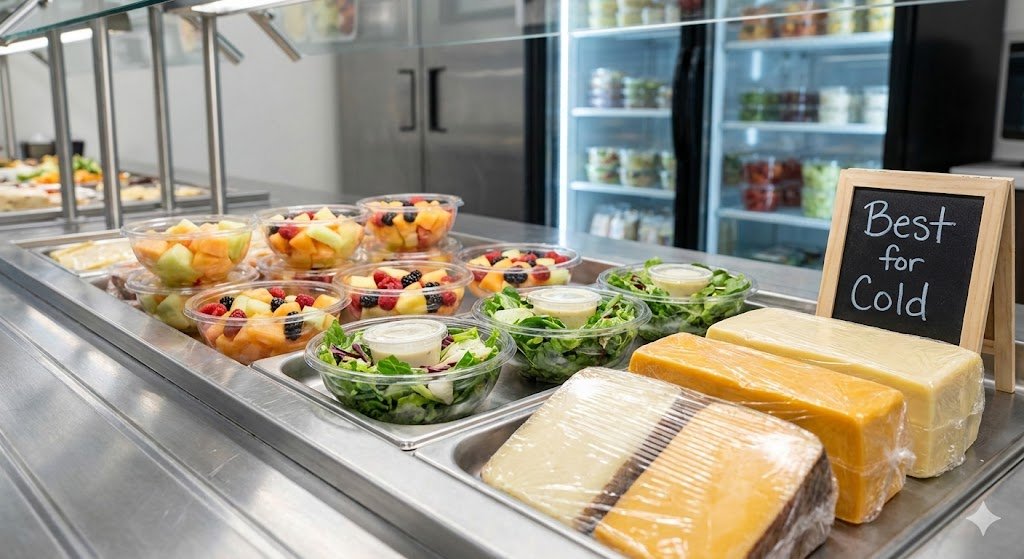
🧊 Cling Film vs Aluminium Foil Rolls for Maximum Freshness
Freshness is the goal. No one likes dry rotis or soggy fruits. One long-tail keyword matches here:
➡️ How to keep food fresh during delivery using foil rolls and cling film
A simple rule always:
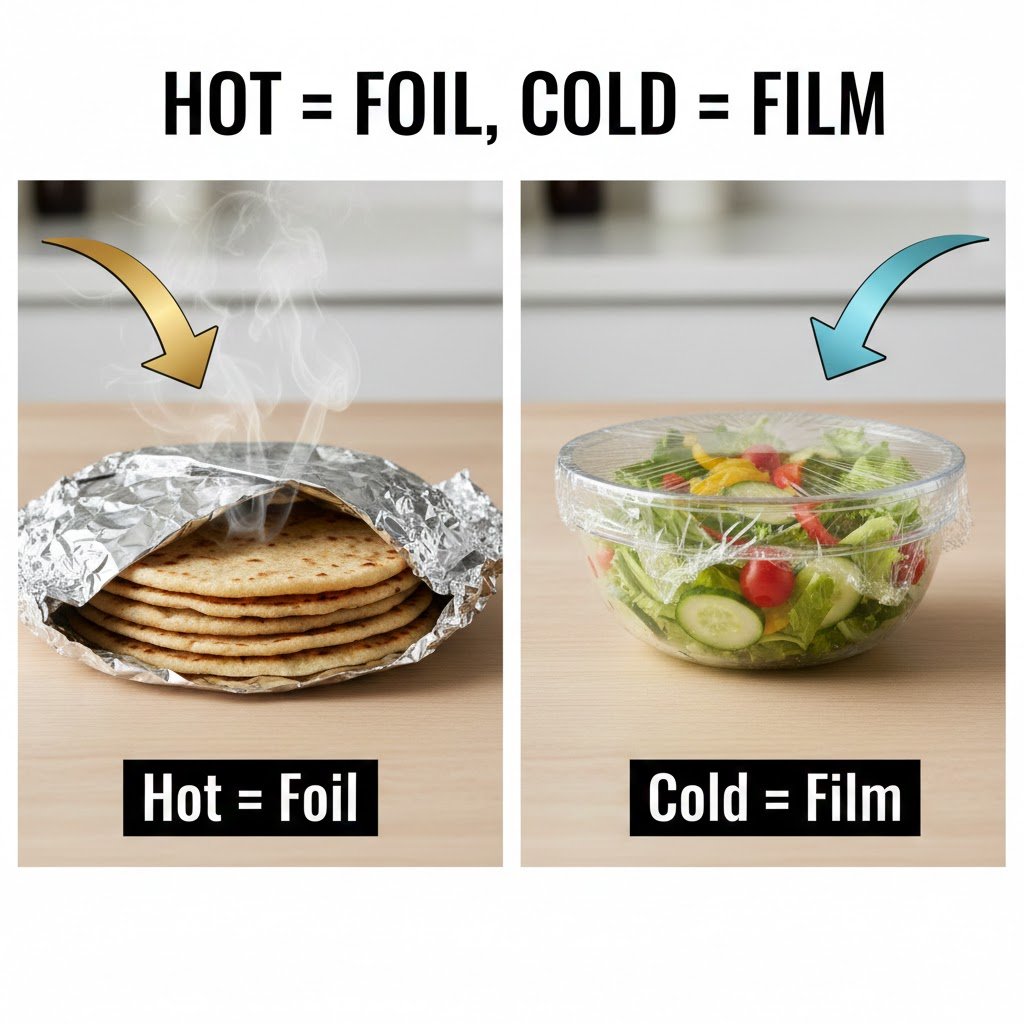
🔥 Hot → Foil
❄️ Cold → Cling Film
If the food is hot or going for delivery, use foil. If the food is cold or stored in the fridge, use cling film. This is a complete plan. When we follow this, we reduce waste and keep food happy.
🍱Cling Film vs Aluminium Foil Rolls for Delivery
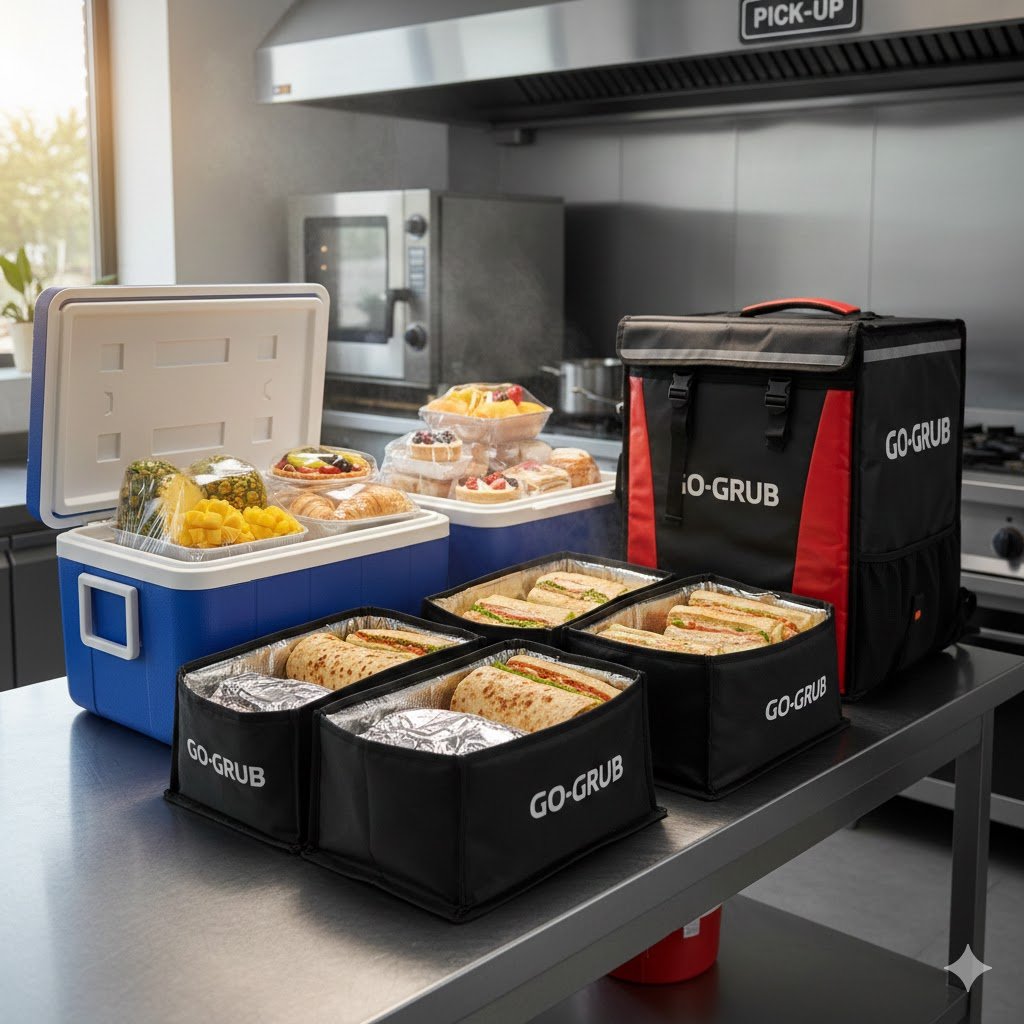
Delivery is a huge part of modern cooking. Food must travel safely. When delivery is long, the right material matters. Hot food wrapped in foil stays warm. Cold salads covered in cling film stay crisp.
Aluminium Foil for hot food delivery:
- Rotis
- Parathas
- Kebabs
- Toast sandwiches
- Frankie rolls
- Garlic bread
Heat stays inside. Moisture does not escape. Food is soft and safe.
Cling film for cold food delivery:
- Fresh salads
- Fruit bowls
- Pastries
- Desserts
- Cold sandwiches
Cling film seals tightly. It gives a neat look. Customers see what they are getting. Both products help. The right choice depends on the heat.
🍽️ Home Kitchen Use for Cling Film or Aluminium Foil Rolls
Every home kitchen uses these products daily. Families cook, store, and reheat food. They need easy steps. A long-tail keyword explains this idea perfectly:
➡️ When to choose aluminium foil rolls instead of cling film for packing
Use foil for hot rotis, sandwiches, and wraps. Use cling film for cut fruits, curd bowls, and cheese. Life becomes simple when we know the difference.
💡 Easy Tips for Better Use
👍 Do not put cling film near heat
🔥 Foil is safe for the oven, grill, and heat
❄️ Cling film suits refrigerator storage
🌡️ Foil suits hot temperature wrapping
These tips keep the kitchen safe. They also work fast. No need to guess. Just follow heat and cold. The question of foil rolls vs. cling film becomes easy.
💰 Cost Savings with Smart Choice
Food businesses want profit. Waste reduces profit. When we choose correctly, we save more. Using foil only for hot food and cling film only for cold food reduces material use. We wrap less, waste less, and save more.
Cloud kitchens, tiffin services, hotels, and home kitchens use this idea daily. The correct use of foil rolls and cling film saves time and money.
⭐ Which One Is Better?
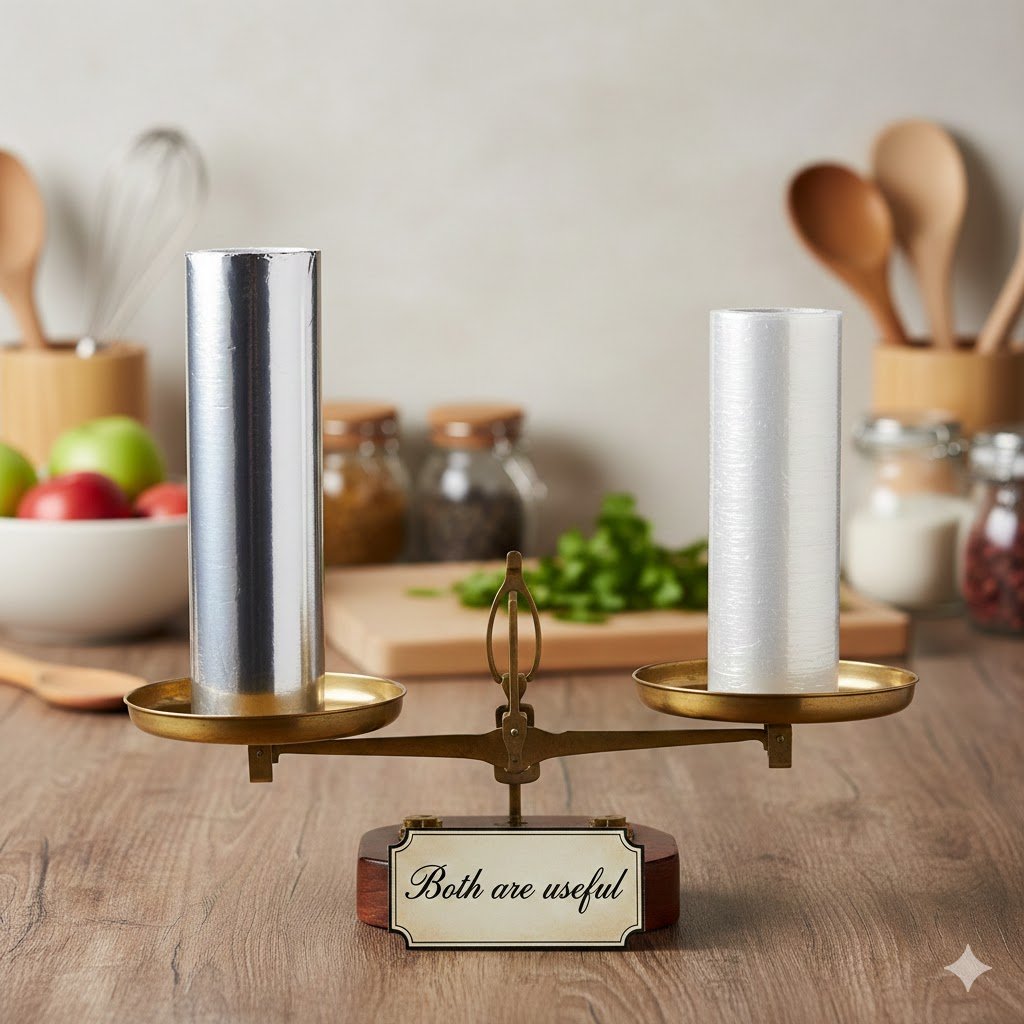
There is no single winner. Both products are strong. Both help with different tasks. The goal is freshness. The trick is simple:
👉 Use foil for heat
👉 Use cling film for cold
When we follow this plan, food tastes better. We get clean work, use less material. We make smart decisions. The comparison of Cling film and Aluminium foil rolls is not a fight. It is a partnership.
🎯 Practical Examples
Here are simple examples that show how to choose quickly:
🥪 Hot sandwich → foil
🍉 Cut melon → cling film
🍪 Cookie storage → foil
🥗 Salad bowl → cling film
🍞 Parathas for lunch → foil
🧀 Cheese block → cling film
When we follow these examples, we never worry about cling film vs aluminium foil rolls again.
⭐ Follow Us on Instagram & Facebook 📲
Stay updated with more packaging ideas, product launches and helpful food-storage tips by following us on Facebook & Instagram.
🌍 Explore More Products
Browse our aluminium foil containers, plastic containers, aluminium foil rolls, cling film rolls and other food-packaging essentials.
🎉 Conclusion
Fresh food makes life better. When we use the right method, storage becomes easy. Foil rolls protect from heat. Cling film protects freshness. Both work well. Kitchens should not choose only one. We need both for comfort and taste. Wrap hot food in foil to keep warmth. Seal cold food in cling film to keep freshness. This gives happy meals and happy customers.
Understanding foil rolls vs. cling film helps in home kitchens, cafés, bakeries, cloud kitchens, and delivery services. Food stays neat, tasty, and full of life. We save time, reduce waste, and enjoy cooking more. A smart kitchen uses each product in the right way. That is the best way to get maximum freshness every day.

One thought on “Cling Film vs Aluminium Foil: Which Is Better for Food Storage?”